3–4 Person Tunnel Tent Guide: Space, Wind & Setup
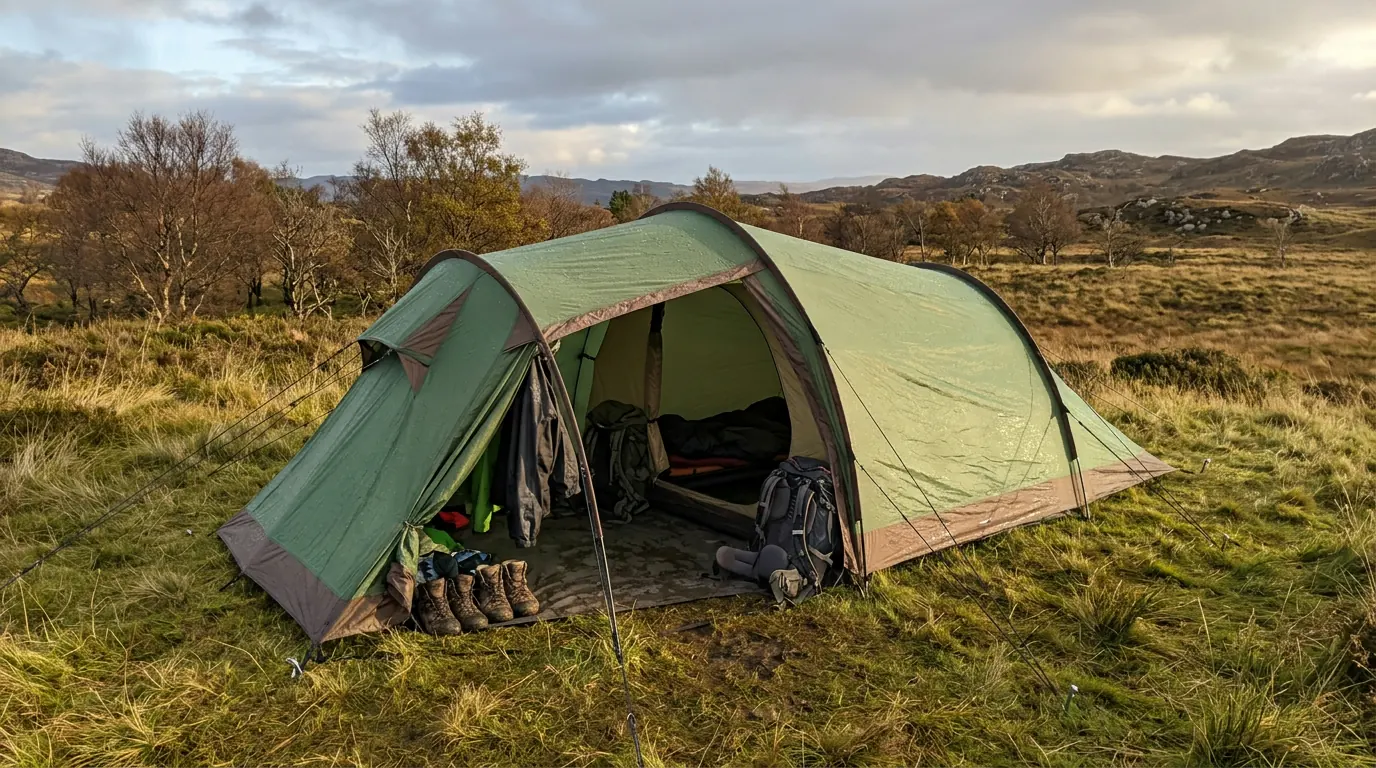
A tunnel tent is built for roomy sleeping space, efficient headroom, and strong performance in wind when properly oriented. This guide breaks down what matters for a 3–4 person outdoor tunnel tent—layout, weather protection, pitching, and trip planning—so it’s easier to match the shelter to real campsite conditions.
What makes a tunnel tent different
Tunnel tents use a series of arched poles to form a long, stable profile that feels more like a compact cabin than a dome. The geometry creates consistent headroom through much of the length, so changing clothes and organizing gear doesn’t require constantly crouching.
- Long, usable interior: Arched pole geometry forms a true “tunnel,” maximizing sleeping length and keeping the ceiling height more uniform.
- Vestibule-friendly design: Many tunnel tents offer a generous vestibule-to-floor ratio, helping keep muddy boots and wet layers out of the sleeping area.
- Wind performance is directional: Stability depends on orientation; the narrower end generally faces the prevailing wind for the best resistance.
- Great for “settle-in” trips: Ideal for friends or families sharing one shelter, base-camp weekends, and shoulder-season outings where drying space matters.
Who a 3–4 person tunnel tent fits best
Capacity labels are a starting point, not a promise. A 3–4 person tunnel tent usually shines when comfort is the goal—room for sleep, plus a workflow for gear—rather than packing four full-size adults shoulder-to-shoulder.
Common capacity expectations (real-world comfort)
| Group size | Comfort level | What to plan for |
|---|---|---|
| 2 people | Spacious | Store most gear inside or in vestibule; room to sit up and change |
| 3 people | Comfortable-tight | Use compact pads; keep bulky items in vestibule |
| 4 people | Tight | Kids fit best; maximize vestibule use; keep floor organized |
- Two adults plus gear: A comfortable setup with breathing room for packs, jackets, and extra blankets.
- Three adults: Works well for short trips if pads are narrow and gear is managed outside the sleeping lane.
- A small family: More livable during rain, with space for kids to spread out and a vestibule buffer for wet items.
- Car camping and short walk-ins: When weight matters less than comfort, tunnel tents feel like an upgrade in day-to-day camp living.
Weather readiness: rain, wind, and condensation
Comfort in the backcountry often comes down to small details: how the fly covers the doors, where moisture drains, and whether airflow is easy to maintain when the temperature drops. Before heading out, it also helps to check forecasts and timing using a reliable source like the NOAA National Weather Service.
- Rain protection: Prioritize a full-coverage rainfly and doors/vents that are protected from drip lines and splashback.
- Ground moisture: A durable floor helps, but site choice matters just as much—camp on a slight rise and avoid depressions where water pools.
- Wind: Use every stake point and guyline available, then re-tension after the fabric relaxes (often 15–30 minutes after pitching).
- Condensation control: Look for high-low ventilation (lower intake plus upper vents). Keep wet boots and soaked shells in the vestibule when possible.
- Cold nights: Reduce vent openings only as needed; sealing everything tends to increase condensation and can leave insulation feeling damp.
Pitching and anchoring for a solid setup
Tunnel tents reward a methodical pitch. When the footprint is squared and the fly is taut, the structure stands more quietly in gusts and sheds rain more effectively.
- Pick a smart site: Clear sharp debris, avoid widowmakers (dead branches), and use natural wind breaks without camping in drainage channels.
- Orient for wind: Point the narrower end into the prevailing wind and keep doors away from direct gusts when possible.
- Stake first, then build: Loosely stake corners, insert poles, then square the base before final tightening.
- Guylines are structural: In wind or heavy rain, treat guylines as essential—tension them evenly to stabilize pole arcs.
- Practice once at home: Faster setup reduces mistakes in bad weather or low light.
Interior livability: doors, vestibules, and gear flow
Care and longevity for season-after-season use
Most tent failures come from storage moisture, abrasion, and zipper wear—not one dramatic storm. For maintenance best practices, the REI Co-op guide to tent care is a helpful baseline.
A roomy option to consider
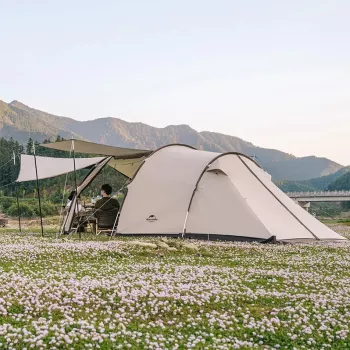
If the goal is shared comfort with organized storage, the 3-4 Person Outdoor Tunnel Tent is designed around a tunnel-style profile that supports extended interior space, stable pitching, and a gear-friendly vestibule routine.
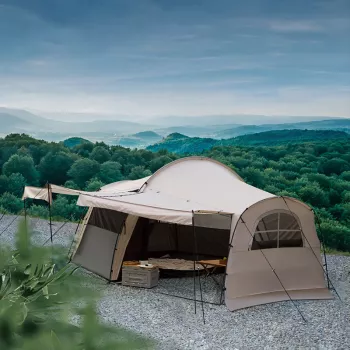
For campers who want more covered hangout room—especially on rainy weekends—the Living Room Outdoor Family Shelter Tent can add that “living room” feel for meals, cards, and keeping everyone comfortable when the weather slows plans.
Whatever shelter you choose, planning ahead (from site selection to repair supplies) pays off. The Leave No Trace guidance on planning and preparation is a solid reminder that good trips are built on smart decisions before you ever stake out the corners.
FAQ
Can a 3–4 person tunnel tent handle strong wind?
Yes, when pitched correctly: orient the narrow end into the wind, use all stakes and guylines, and re-tension after the fabric relaxes. Site choice—like using a natural wind break—can make a big difference in gusty conditions.
How many people can sleep comfortably in a 3–4 person tent?
Two adults are typically very comfortable with extra gear space; three adults may be snug; four is usually tight unless some occupants are kids or compact pads are used. Plan to store bulky items in the vestibule to keep the sleeping area clear.
How do you reduce condensation in a tunnel tent?
Use high-low ventilation, keep wet items out of the sleeping area, avoid pitching in low damp spots, and maintain some airflow even on cool nights. Keeping the fly taut also helps reduce contact between moisture and inner walls.













Leave a comment