Black & Bronze Ceramic Bathroom Sink Set: Fit & Care
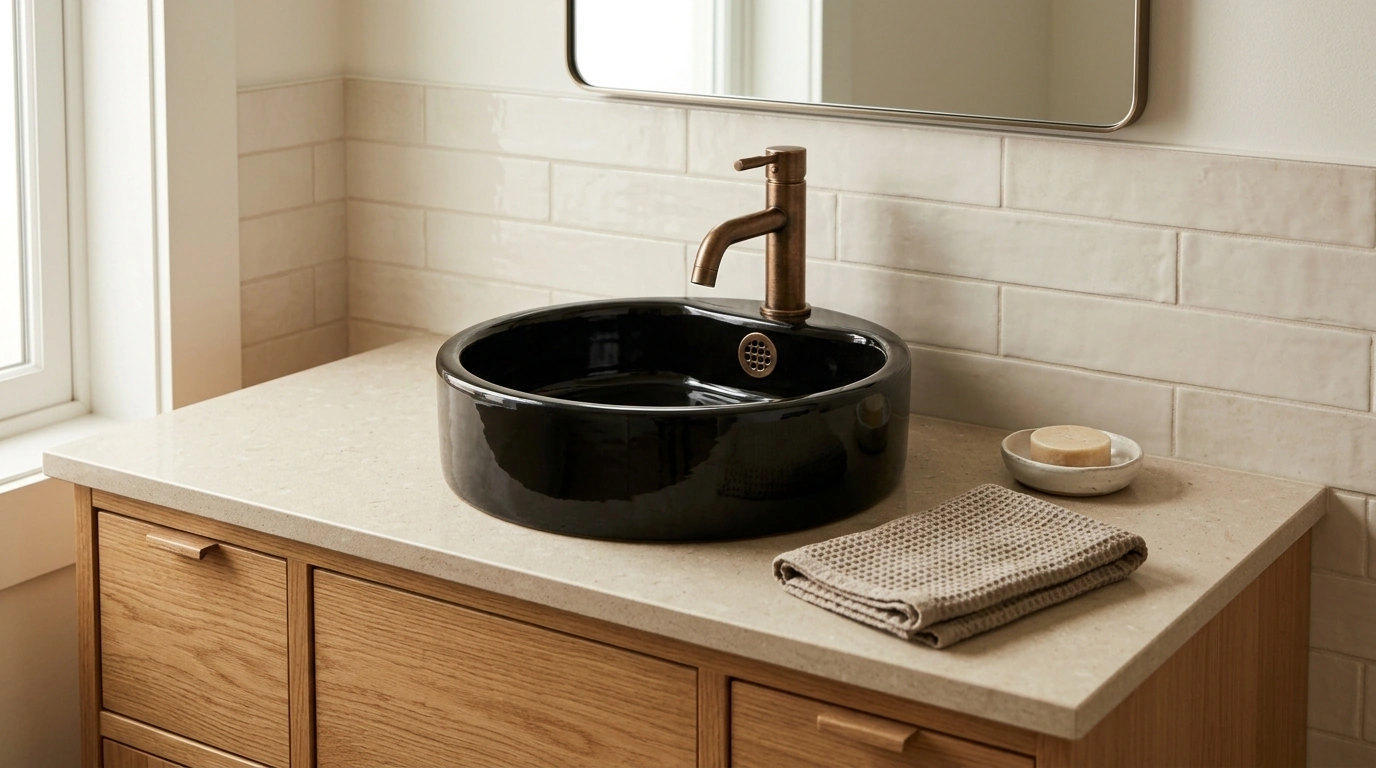
Deluxe Black and Bronze Ceramic Bathroom Sink Set: Design, Fit, and Care
A black-and-bronze ceramic sink set can anchor a bathroom with a bold focal point while still feeling timeless. The contrast reads intentional and tailored, yet it’s versatile enough to work with warm neutrals, light stone counters, and natural wood. Below is a practical buying and ownership guide—what to verify before ordering, what daily use is like with ceramic and bronze-toned finishes, and how to install and maintain the set so it looks sharp for years.
What Makes This Sink Set Stand Out
Black ceramic paired with bronze-toned hardware is a high-impact combination that immediately elevates a vanity area. It’s a standout look that still pairs well with both modern lines and transitional details like shaker cabinetry or traditional mirrors.
- High-contrast styling: Black ceramic with bronze-toned hardware creates a statement look that complements both modern and transitional bathrooms.
- Ceramic basin benefits: Non-porous glazed surfaces are generally easier to wipe clean and resist everyday staining when maintained properly.
- Coordinated set convenience: Matching components reduce the guesswork of pairing finishes across the sink area.
- Best-fit spaces: Especially effective in powder rooms and primary baths where a strong visual centerpiece is desired.
If you’re shopping for a coordinated focal point, see the Deluxe Black and Bronze Ceramic Bathroom Sink Set for a one-stop, finish-matched approach.
Materials and Finish: What to Expect in Daily Use
Understanding the materials is the difference between a sink that looks great on day one and one that stays beautiful through daily handwashing, makeup cleanup, and routine bathroom humidity.
- Ceramic/glaze performance: A quality glaze helps resist moisture absorption and simplifies cleanup. Skip abrasive pads that can haze or dull the glaze over time.
- Bronze-toned parts: Confirm whether the bronze appearance is a solid metal finish or a coated finish. In either case, gentle cleaners and soft cloths help preserve color consistency.
- Color maintenance: Dark basins can show light mineral deposits or soap film; a quick dry-down after use can dramatically reduce water-spot buildup.
- Bathroom chemistry: Harsh acids and bleach-based products can damage finishes and seals. For best results, choose pH-neutral cleaners and rinse thoroughly.
For long-term water savings and smart performance considerations when choosing faucets, the EPA’s guidance on WaterSense is a helpful reference point.
Fit Check Before Ordering
Even a premium sink can turn into a complicated project if the mounting style, faucet configuration, or cabinet clearance doesn’t align with your existing vanity. Measure first, order second.
- Vanity/top compatibility: Confirm the sink type (vessel, drop-in, undermount, or integrated) and match it to the counter cutout requirements.
- Faucet configuration: Verify whether the set is intended for single-hole, widespread, or wall-mount faucets; measure clearances behind and around the basin.
- Drain placement and trap clearance: Ensure adequate cabinet space for the drain body, P-trap, and shutoff valves.
- Water supply lines: Confirm hot/cold line locations and whether flexible connectors are needed for the chosen faucet style.
- Door/drawer interference: Check that the basin depth and drain hardware won’t conflict with drawers or shelves in the vanity.
Quick Compatibility Checklist
| Item to confirm | Why it matters | What to measure/check |
|---|---|---|
| Sink mounting style | Determines cutout and installation method | Counter opening and rim/edge requirements |
| Faucet type | Affects reach, splash control, and hole count | Hole spacing, spout reach, and height |
| Drain & overflow | Prevents leaks and ensures proper drainage | Drain diameter, overflow presence, matching drain assembly |
| Cabinet clearance | Avoids collision with drawers/shelves | Depth below sink to trap and shutoff valves |
| Counter depth & backsplash | Prevents faucet handle obstruction | Distance from wall/backsplash to faucet body/handles |
For planning dimensions and layout best practices, the NKBA bathroom planning guidelines are a solid baseline, especially if you’re updating a tight powder room or reworking a primary bath vanity wall.
Installation Notes to Avoid Common Problems
Ceramic looks refined, but it rewards careful handling. Most issues come from rushing alignment, over-tightening hardware, or using the wrong sealant in the wrong spot.
- Dry-fit first: Place the basin and components without sealant to confirm alignment of drain, faucet, and supply lines.
- Use correct sealants: Apply bathroom-rated silicone where required; avoid overuse that can squeeze out and collect grime.
- Prevent leaks at the drain: Align gaskets correctly, tighten to manufacturer guidance, and avoid overtightening that can crack ceramic or distort seals.
- Check for level: A slightly unlevel basin can cause water pooling; level the sink and verify the counter surface is flat.
- Test thoroughly: Run water for several minutes, check all joints with a dry towel, and recheck after a few hours.
Styling Ideas for Black and Bronze
This palette is strongest when the rest of the room supports it—either by warming up the bronze tones or brightening the space around the black basin.
Care and Long-Term Maintenance
Value Considerations
Featured Products (In Stock)
- Deluxe Black and Bronze Ceramic Bathroom Sink Set
- Waterproof Triangular Bicycle Frame Bag – Versatile Cycling Accessory
FAQ
Does a black ceramic sink show water spots more easily?
It can, because light mineral deposits and soap residue stand out more on dark surfaces. A quick wipe and dry after use, plus pH-neutral cleaning, helps prevent buildup—especially in hard-water areas.
Can bronze-finish hardware be cleaned with vinegar or bleach?
It’s usually best to avoid vinegar and bleach, since harsh acids and strong oxidizers can damage many finishes and seals. Use mild soap and water with a soft cloth, and follow the care guidance for the specific finish type.
What should be checked before installing a ceramic sink set on an existing vanity?
Confirm the mounting style and counter cutout size, faucet hole configuration, and drain/overflow compatibility. Also verify cabinet clearance for the P-trap and shutoff valves, and make sure the supply lines and valve access won’t be blocked.















Leave a comment